
Struggling with sales forecasting accuracy? Revenue Intelligence fixes It
Connect buyer conversations to pipeline data, surface hidden deal risk, and improve forecast precision with real time revenue intelligence built for modern revenue teams.


%20(1).png)
%20(1).png)
.png)
%20(1).png)
%20(1).png)
%20(1).png)
.webp)
%20(1).png)
What’s really breaking sales forecasting accuracy
Poor sales forecasting accuracy leads to missed commits, late quarter surprises, and reduced executive trust. Most breakdowns stem from visibility gaps and inconsistent deal inspection.

CRM data doesn’t reflect reality
Opportunity stages and close dates rely on manual updates. Critical deal shifts live inside calls and emails, not in CRM fields. Forecast reports are built on lagging data.
Commit deals lack evidence
Forecast categories are based on rep confidence instead of verified buyer intent. Optimism bias inflates probability and masks qualification gaps.
Risk signals surface too late
Negative sentiment, stalled next steps, and reduced engagement appear in conversations but never reach forecast dashboards. Risk becomes visible only after deals slip.
Qualification standards vary
MEDDIC or SPICED criteria are inconsistently enforced across managers. Missing economic buyers or unclear decision processes distort win probability assumptions.
Forecast rollups are manual
RevOps teams reconcile spreadsheets, CRM exports, and internal updates before every forecast call. The number shifts faster than reporting cycles.
False positives inflate the pipeline
Deals appear healthy based on stage progression but lack real buying signals. Weak engagement and stalled next steps create artificial pipeline coverage that distorts sales forecasting accuracy.
Turn sales forecasting accuracy into predictable revenue
Forecast accuracy improves when your pipeline reflects reality. AI keeps your CRM clean, flags risk, and shows what’s really happening in every deal.
Real-time pipeline analytics
Revenue intelligence captures deal movement directly from buyer conversations, including next steps, budget changes, and close date shifts. CRM fields update automatically, so forecasts reflect live pipeline reality instead of outdated rep entries.
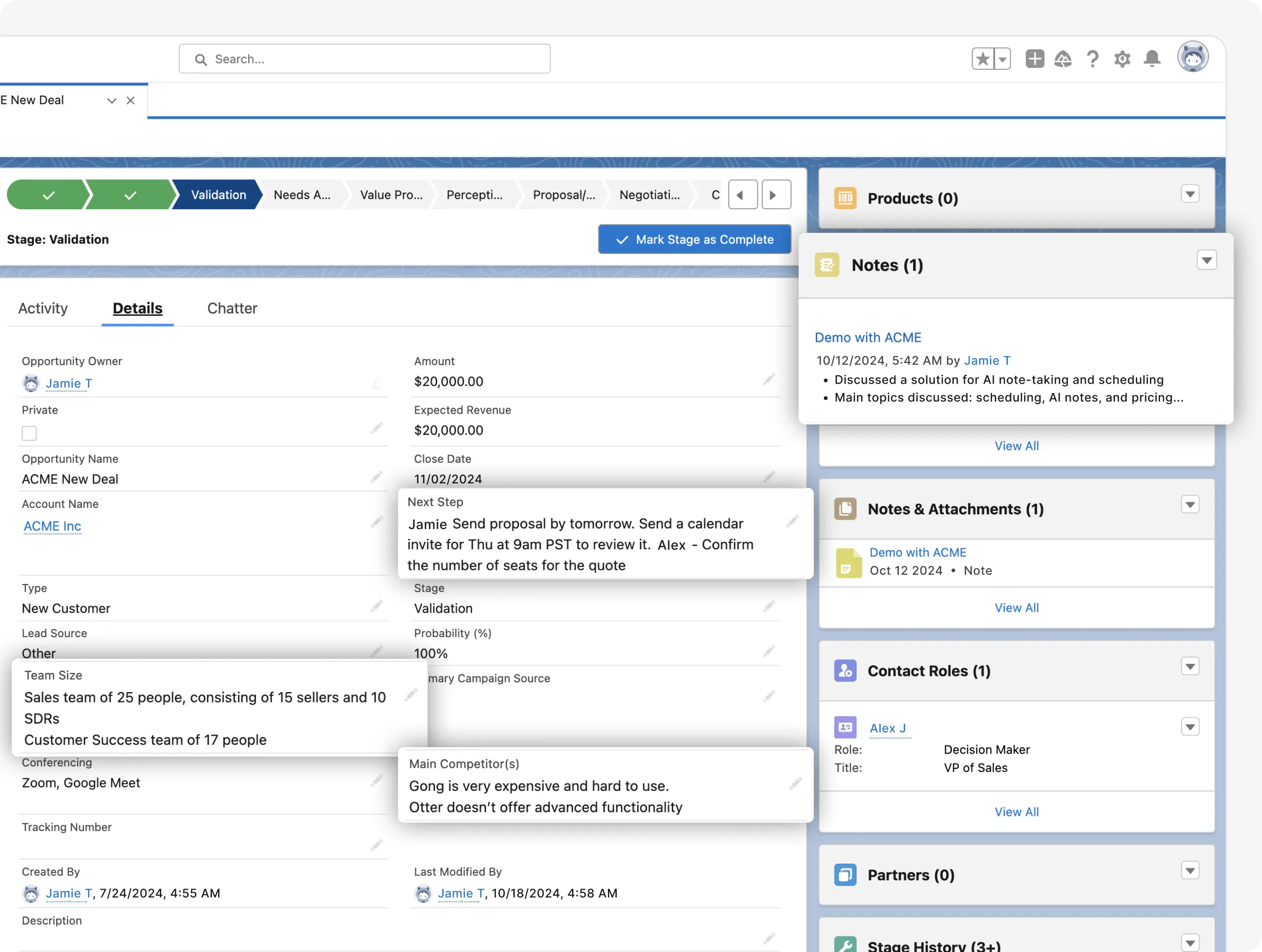
Real-time pipeline analytics
Every commit deal is backed by stakeholder activity, qualification depth, and conversation history. Forecast calls move from confidence based projections to evidence based inspection.

Real-time pipeline analytics
Sentiment shifts, stalled next steps, and reduced engagement trigger automatic risk alerts. Forecast accuracy improves because deal health issues are visible before they impact close probability.
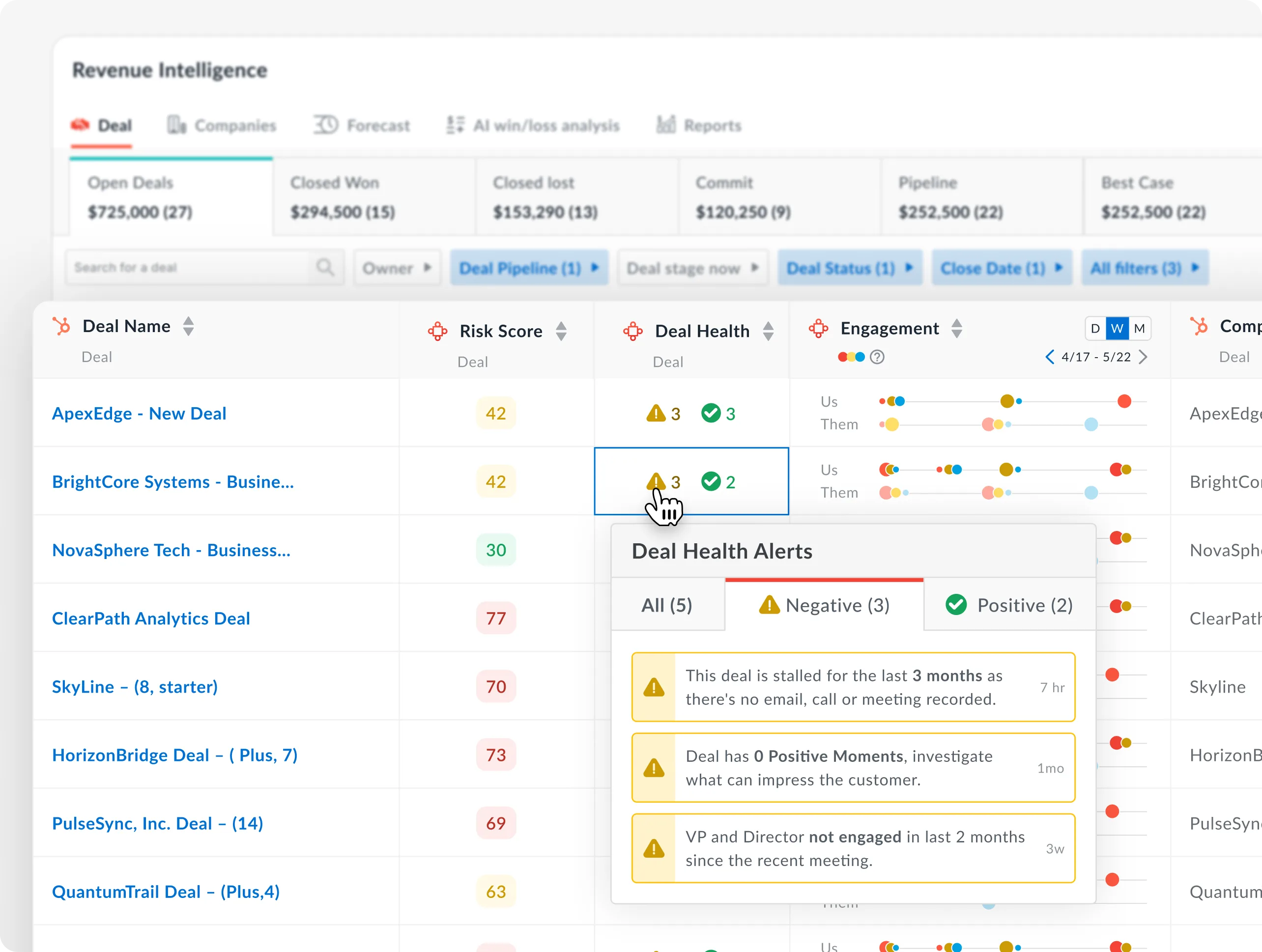
Real-time pipeline analytics
AI tracks MEDDIC or SPICED criteria across meetings and emails. Missing economic buyers, unclear decision processes, and weak champions are flagged before stage progression inflates forecast confidence.
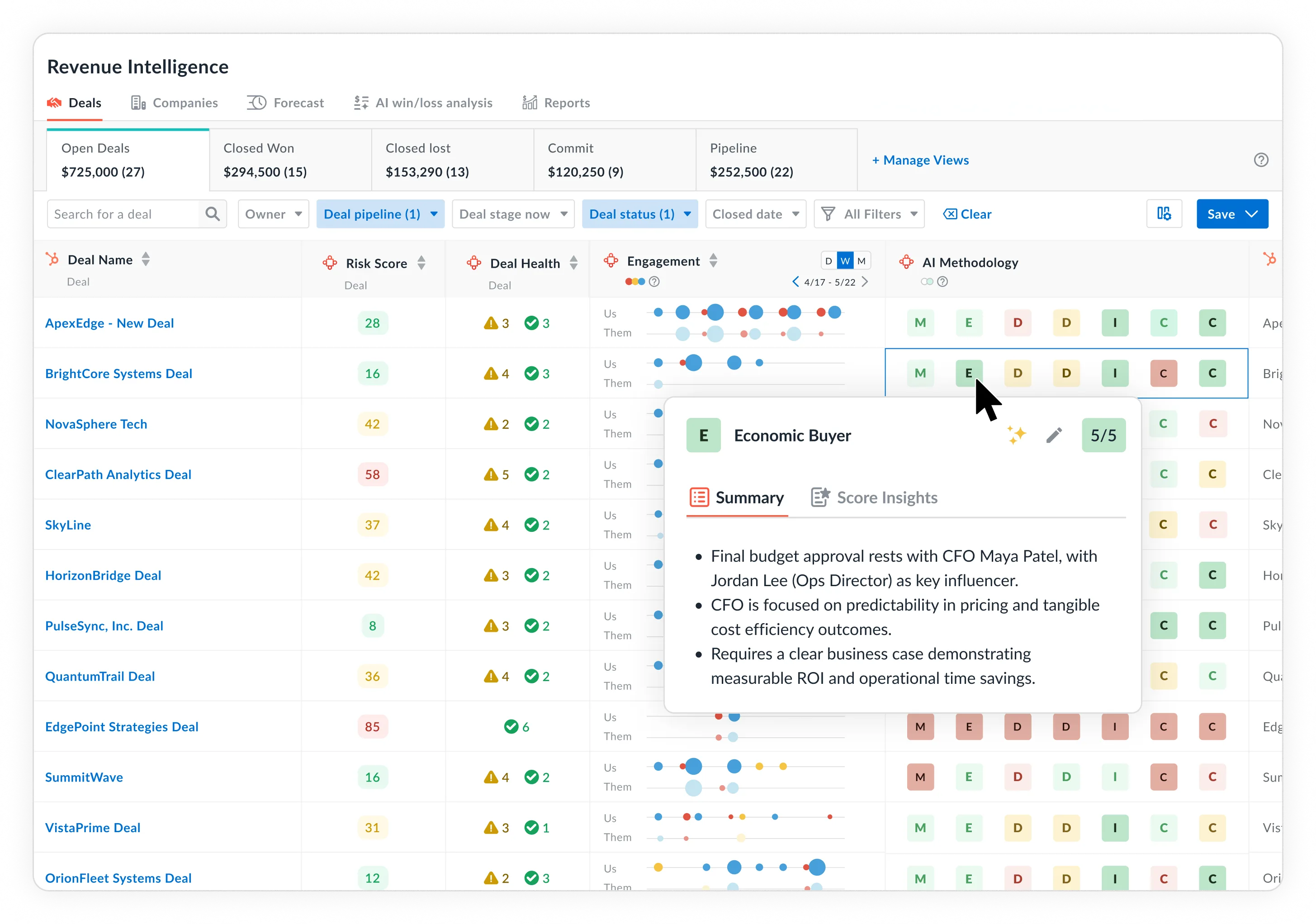
Real-time pipeline analytics
Revenue intelligence analyzes real buyer engagement across meetings and emails to validate deal health. Opportunities without active stakeholders, clear next steps, or executive involvement are flagged early. Forecast accuracy improves because pipeline coverage is based on verified buying signals, not stage progression alone.
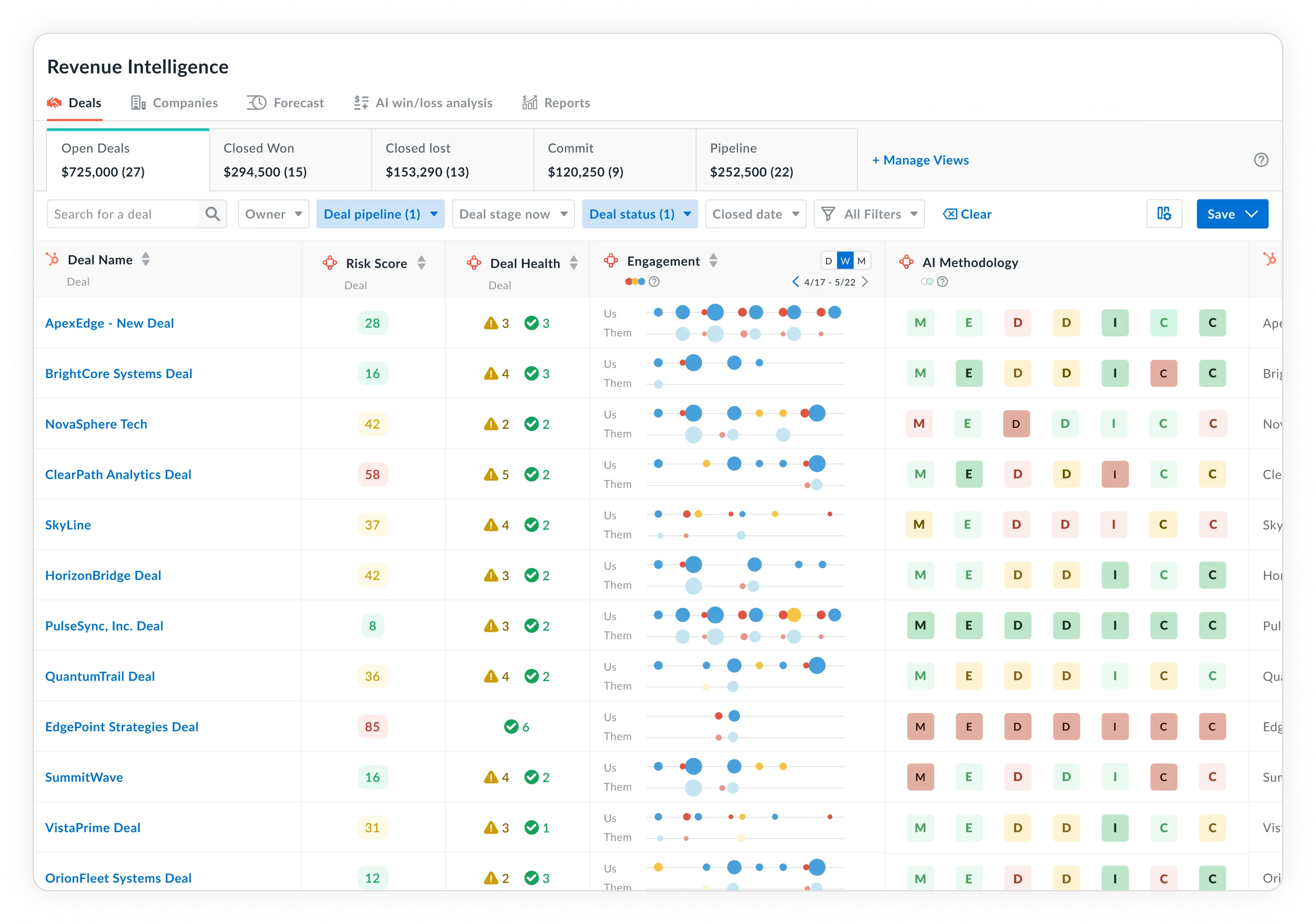
Real-time pipeline analytics
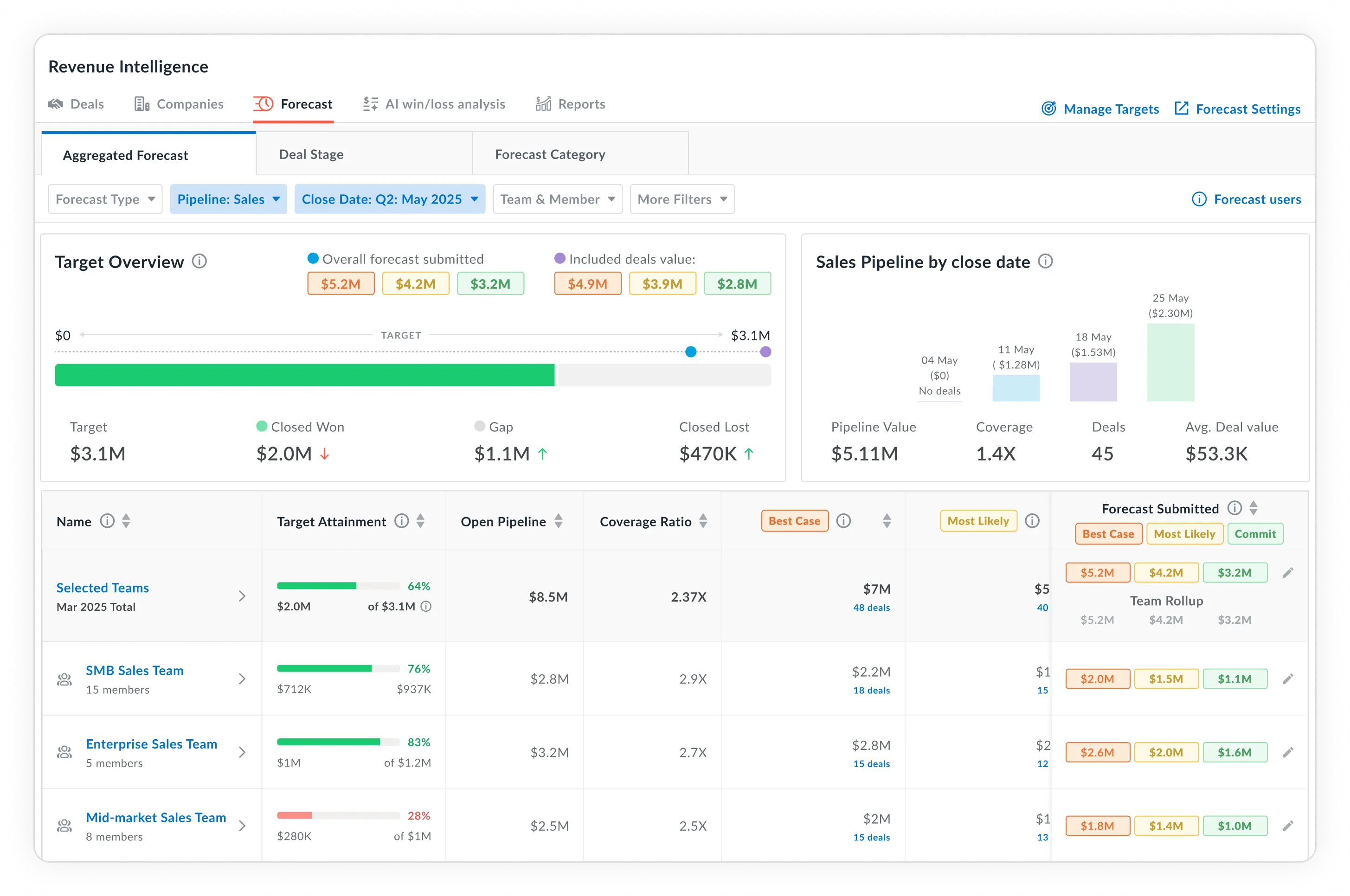
Forecast dashboards update in real time as deal stages shift and risk signals change. Leadership works from a single live view instead of reconciling spreadsheets before every call.
The results speak for themselves, so do our customers.

_BestEstimatedROI_Small-Business_Roi.png)


FAQs
Here are the most common questions sales leaders ask about Avoma’s impact on sales forecast accuracy
Avoma captures every sales conversation and turns it into structured, searchable data. It also integrates with Salesforce, HubSpot, and other CRMs to auto-log meeting notes, next steps, and deal data without manual entry. This gives you real-time visibility into deal progression, buyer intent, and pipeline health so your forecast is grounded in truth, not gut feel.
With Avoma's real call insights, you can pressure-test deals in pipeline calls. See who’s engaged, what blockers came up, and whether there’s a clear mutual plan. No more status-only meetings.
Avoma tracks prospect engagement through multiple conversation metrics including talk-to-listen ratios, question responses, sentiment analysis, and interaction patterns The platform identifies when prospects show interest, hesitation, or confusion, helping reps gauge true engagement levels This analysis extends beyond the call itself to track follow-up email engagement and meeting attendance, providing a comprehensive view of prospect interest
Absolutely. You’ll see who’s been on calls, which personas were involved, and what roles are missing. This helps you flag deals that are single-threaded or stalling.
Avoma flags risks like no economic buyer, repeated delays, ghosting patterns, and pricing friction. These alerts help you de-risk your commit and upside categories early.
Not at all. Avoma runs in the background, recording and analyzing meetings without changing how reps sell. It augments your workflow, not overhauls it.
Yes. You can see in Avoma when decks or ROI calculators were shared, what was discussed on the call, and whether that led to a next step. This gives you more confidence in stage movement.
Most GTM teams see value in their first forecast cycle. Setup is simple, and once live, Avoma surfaces insights immediately.
Yes. Avoma secures your data with end-to-end encryption, strict access controls, regular security reviews, and a documented vulnerability process. We’re compliant with SOC 2, GDPR, HIPAA, CPRA (formerly CCPA), and the EU-U.S. Data Privacy Framework (DPF).
Avoma's AI-driven forecasts typically improve standard forecasting accuracy by 15-25% by incorporating objective conversation data rather than relying solely on subjective rep assessments The accuracy increases over time as the system learns your specific business patterns, customer signals, and deal progression indicators Most customers find the AI forecasting particularly valuable for identifying potential slippage that human forecasters might miss due to optimism bias

What's stopping you from turning every conversation into actionable insights?
