
Sales pipeline management tools: how to choose between CRMs and pipeline intelligence

Table of Contents:
Sales pipeline management tools help teams track active opportunities, manage deal stages, and support reliable forecasting. They ensure pipeline data reflects actual deal progression rather than outdated entries. A structured pipeline improves prioritization, review quality, and forecast confidence.
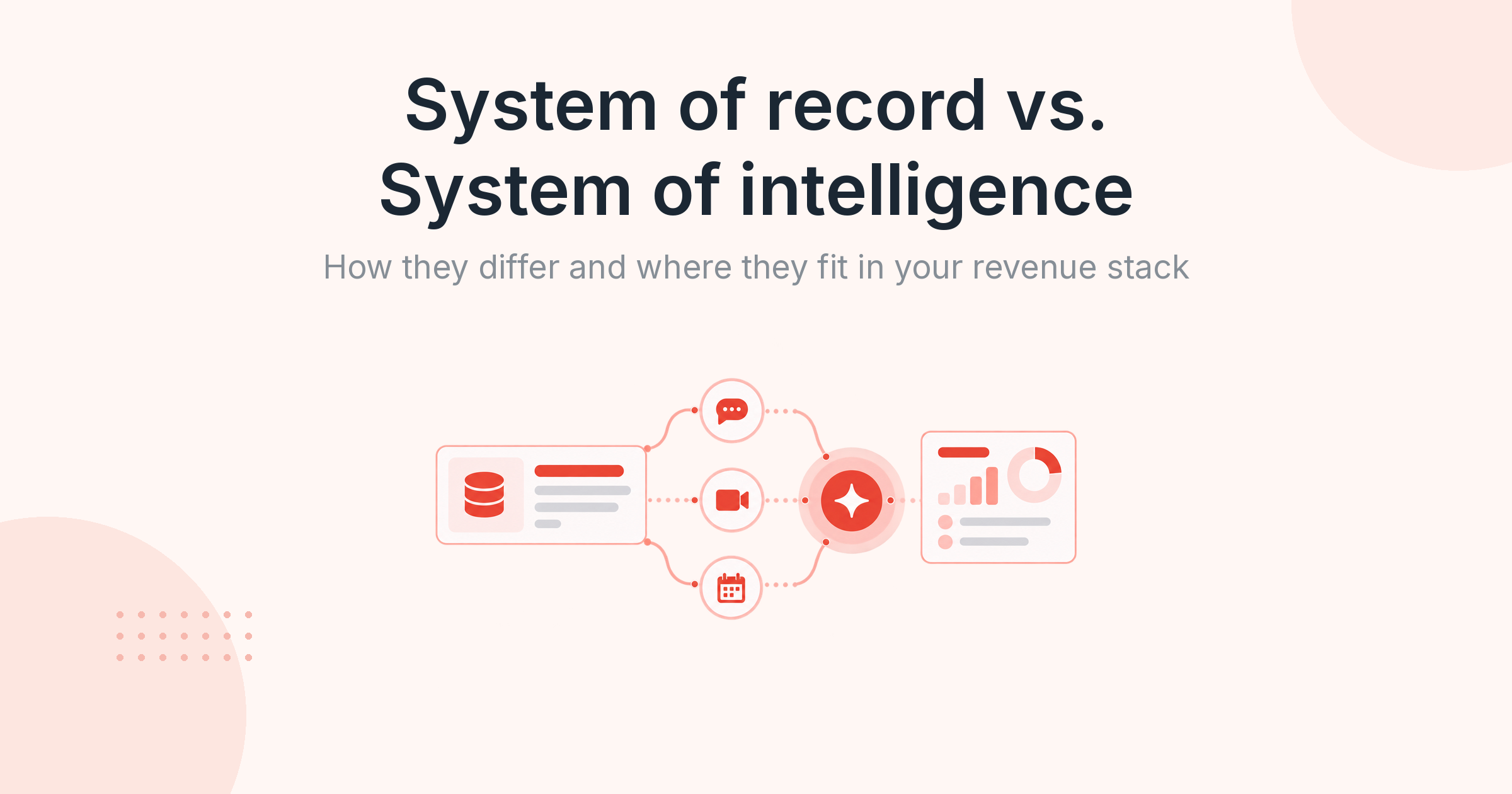
Not all pipeline tools serve the same purpose. Some act as systems of record where deal data is stored and reported. Others analyze sales interactions and activity to surface risk, health, and forecast signals. Understanding this distinction is critical when choosing the right solution.
Why CRM data alone is not enough
CRMs are systems of record
CRMs store opportunity records, stages, close dates, and forecast categories. They provide structured reporting and revenue rollups. This makes them foundational for pipeline management.
Where CRM-based pipeline management breaks
Pipeline accuracy depends on timely updates and disciplined usage. Structured fields cannot automatically capture context from calls, meetings, and emails. As deal cycles grow more complex, field-based visibility may not surface execution risk.
Why spreadsheet reviews persist
Teams often export CRM data into spreadsheets during forecast reviews. This usually happens when leaders need additional inspection beyond standard dashboards. Spreadsheets compensate for limited contextual insight.
The missing layer
CRM shows what was entered. It does not completely analyze what happened across sales interactions. As pipelines scale, teams look for AI-driven signals layered on top of structured data. This leads to two categories of sales pipeline management tools.
How we evaluated sales pipeline management tools
Tools were evaluated based on:
- Pipeline data source
- Deal stage control
- Rep workflow support
- Pipeline health visibility
- Forecast support
- CRM integration depth
- Automation capability
- Pricing accessibility
Sales pipeline management tool categories
1. CRM-centered sales pipeline management tools
Systems of record
These tools manage structured opportunity data, deal stages, and forecast reporting.
Salesforce Sales Cloud
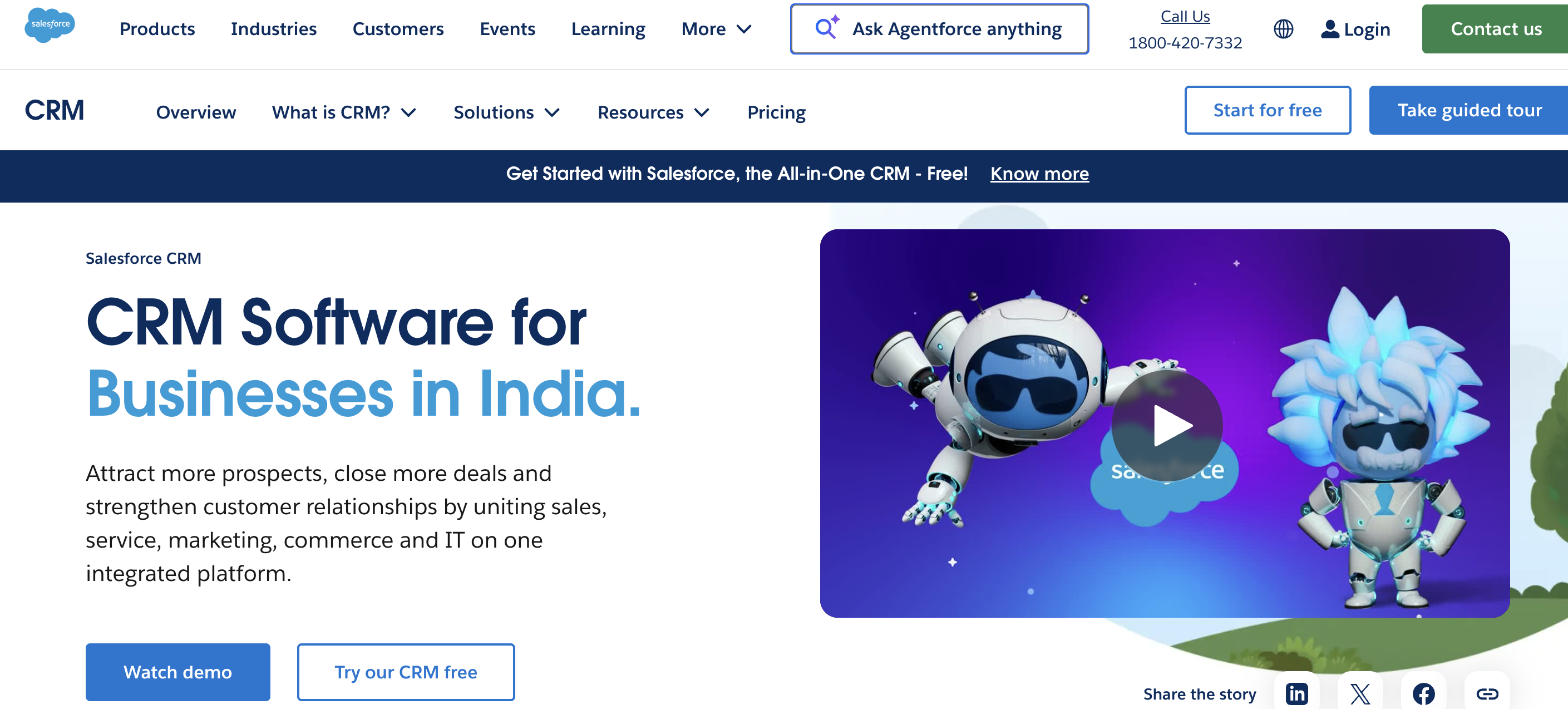
Salesforce Sales Cloud centralizes opportunity and pipeline data within a structured CRM model. It supports customizable stages, forecast categories, and reporting dashboards. Territory management and multi-level forecasting are built into the system. Sales Cloud is designed for structured, process-driven pipeline management.
Best for
Enterprise sales teams with defined governance and CRM administration.
Strengths
- Customizable opportunity stages
- Structured forecasting and reporting
- Extensive integrations
- AI features in higher tiers
Limitations
- Requires configuration and admin resources
- Advanced features vary by edition
Pricing
Approximately $25–$330 per user per month billed annually depending on edition.
HubSpot Sales Hub

HubSpot Sales Hub manages deals through customizable pipelines and stage-based automation. Activities such as emails and calls are tied to opportunities. Pipeline dashboards show deal value and projected revenue. It integrates with HubSpot’s broader CRM ecosystem.
Best for
SMB and mid-market teams seeking an integrated CRM.
Strengths
- Visual deal boards
- Automation tied to stages
- Integrated reporting
- Unified customer data
Limitations
- Forecasting depth varies by tier
- Advanced customization is plan-dependent
Pricing
Free tier available. Paid plans approximately $20–$150 per user per month billed annually.
Pipedrive
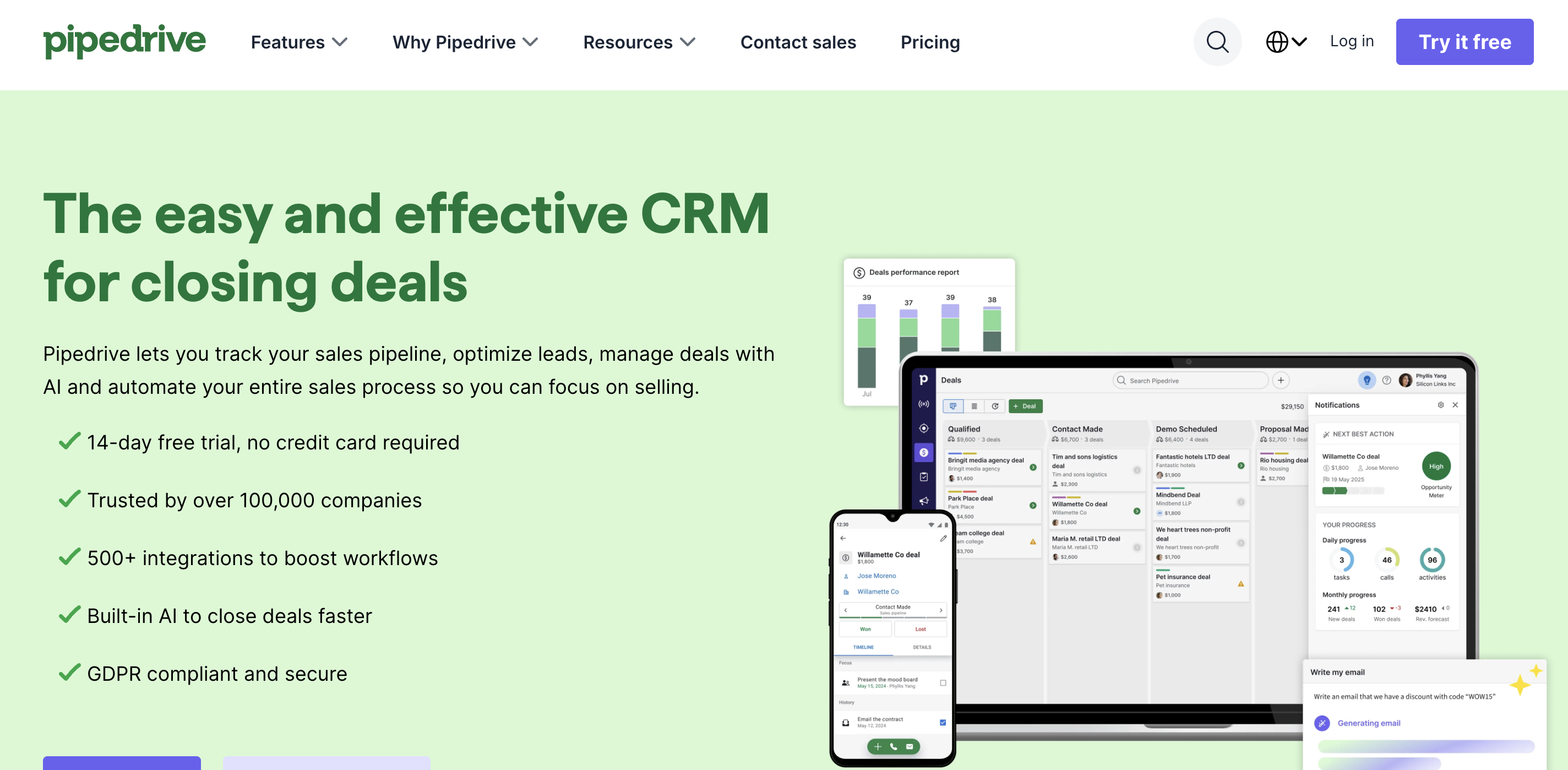
Pipedrive is built around a visual, drag-and-drop pipeline interface. Deals move across defined stages with activities tied to each opportunity. The platform emphasizes activity tracking and stage progression. Reporting focuses on deal movement and expected revenue.
Best for
Small teams prioritizing simplicity and visibility.
Strengths
- Visual pipeline layout
- Customizable stages
- Activity-based deal tracking
- Light automation
Limitations
- Advanced forecasting is limited
- Reporting depth varies by plan
Pricing
Approximately $14–$69 per user per month billed annually.
Zoho CRM
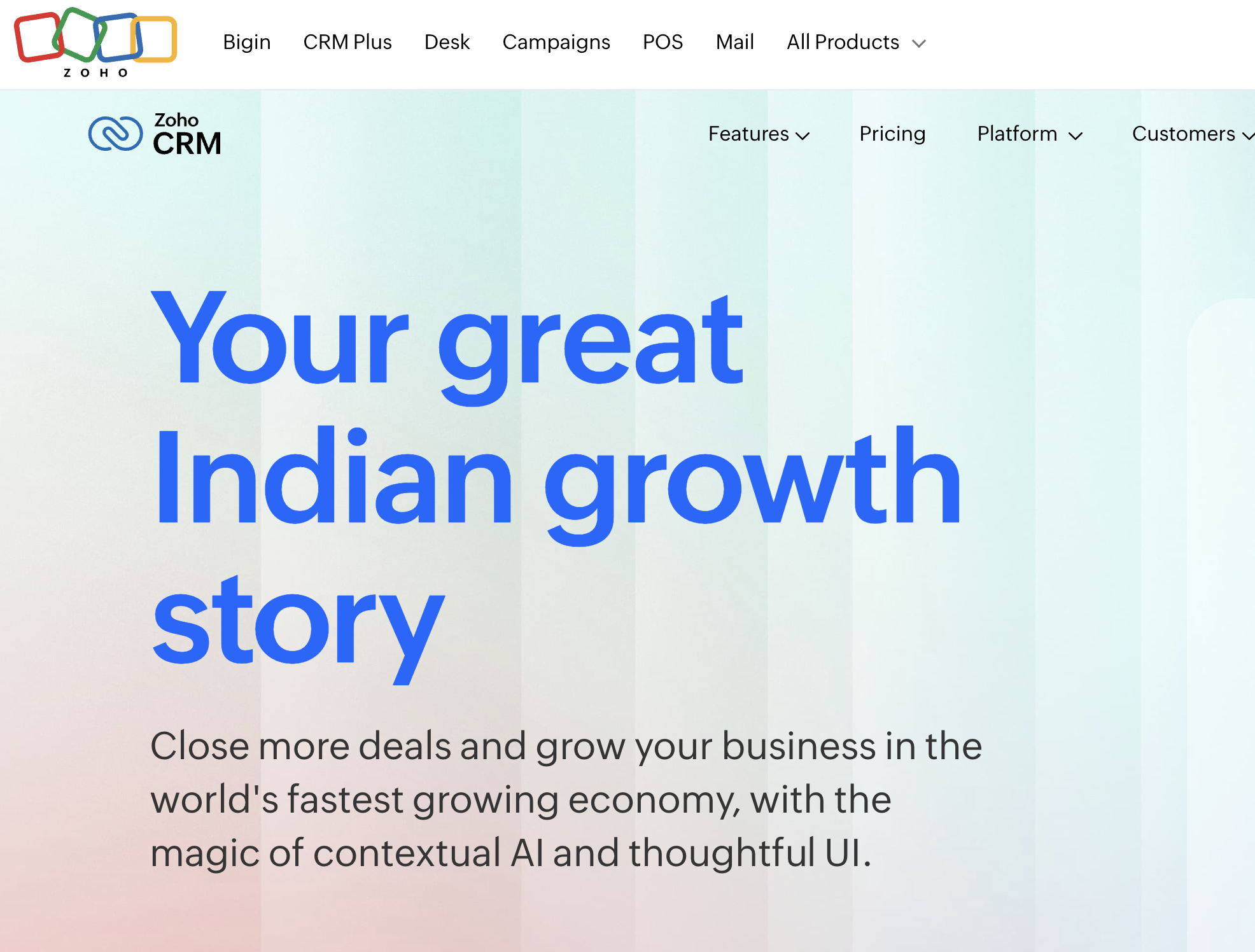
Zoho CRM supports multiple pipelines, stage customization, and workflow automation. Deals are associated with contacts and accounts within structured modules. Pipeline dashboards provide revenue tracking and conversion visibility. It integrates with the broader Zoho suite.
Best for
Cost-conscious teams needing structured deal tracking.
Strengths
- Multiple pipeline support
- Workflow automation
- Stage-based process control
- Zoho ecosystem integration
Limitations
- Advanced analytics vary by edition
- Feature access depends on plan tier
Pricing
Approximately $14–$52 per user per month billed annually.
Freshsales
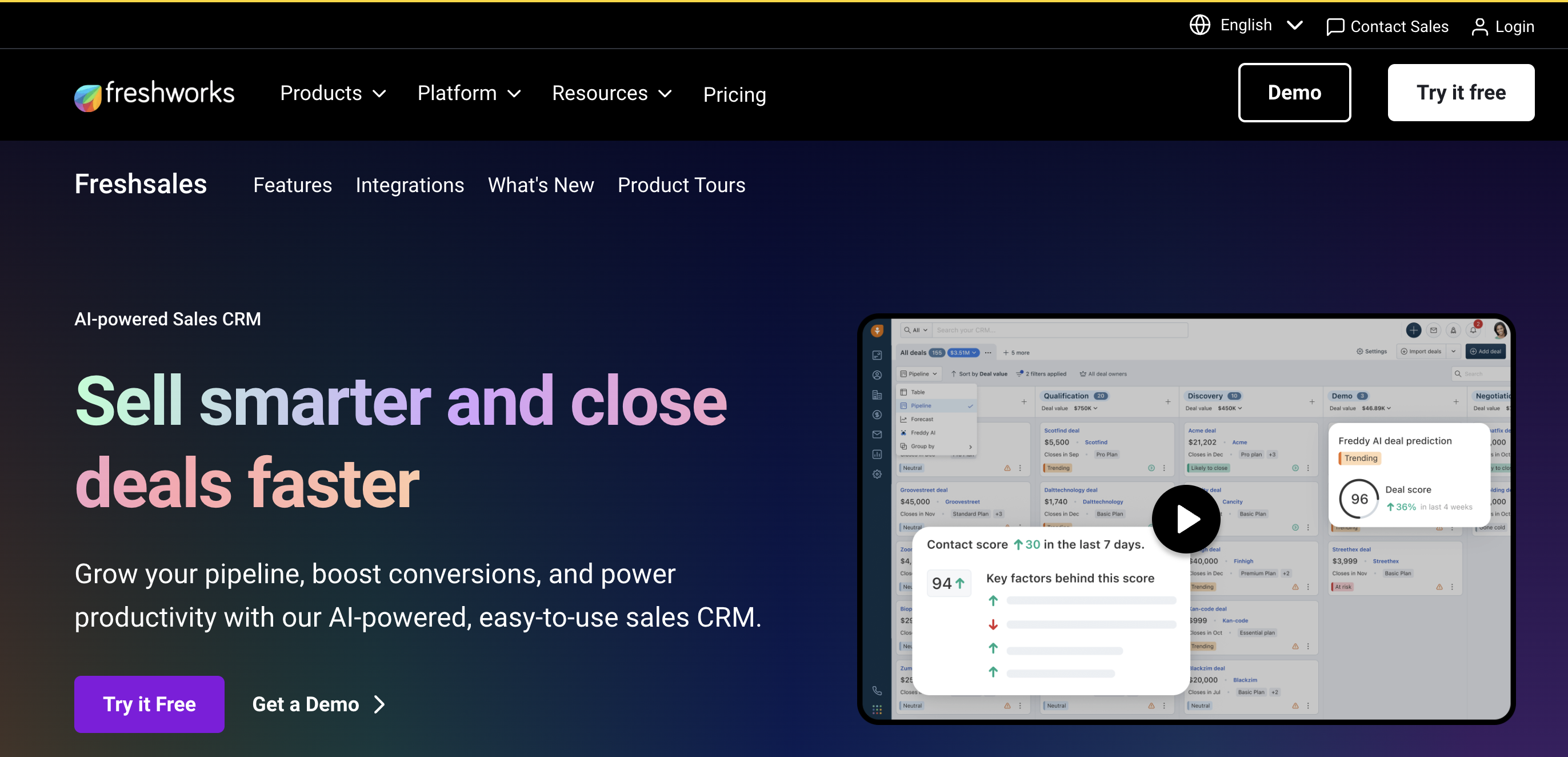
Freshsales combines deal tracking, communication tools, and automation in one CRM interface. Pipelines are customizable with defined stages and ownership fields. Activities and emails link directly to opportunities. Automation supports follow-up consistency.
Best for
Growing teams seeking CRM and communication in one system.
Strengths
- Deal and pipeline tracking
- Integrated email and phone
- Workflow automation
- Lead scoring
Limitations
- Forecasting features vary by plan
- Advanced analytics are tier-based
Pricing
Approximately $15–$69 per user per month billed annually.
monday CRM
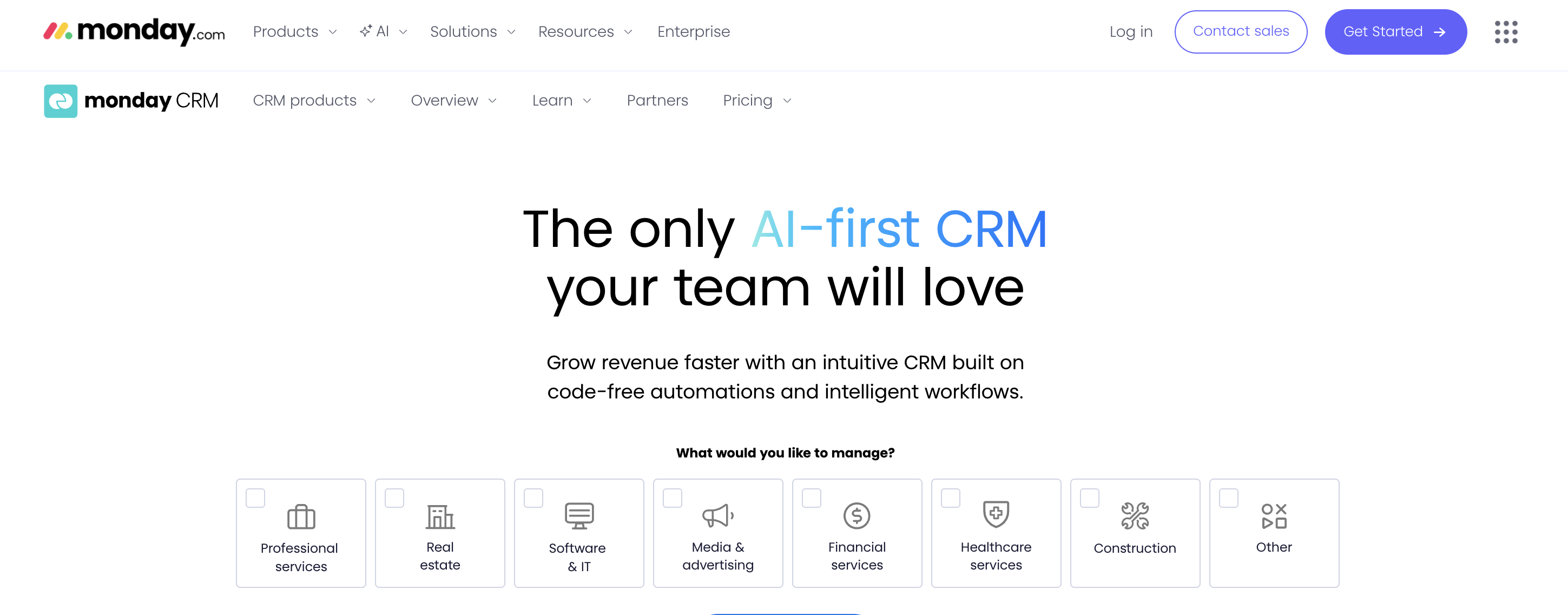
monday CRM tracks deals through customizable boards that represent pipeline stages. Each board displays ownership, value, and timelines. Automation rules trigger updates as deals move forward. Dashboards consolidate pipeline metrics for visibility.
Best for
Teams needing flexible pipeline configuration.
Strengths
- Customizable pipeline boards
- Stage-based automation
- Visual workflow tracking
- Cross-functional dashboards
Limitations
- Forecasting requires dashboard setup
- Structured forecasting tools vary by plan
Pricing
Approximately $19–$45 per user per month billed annually.
Attio

Attio is a flexible CRM designed around customizable data models and collaborative deal tracking. Pipelines can be configured with custom objects and fields. Teams manage opportunities with shared visibility and adaptable workflows. It supports evolving sales processes.
Best for
Modern SaaS teams seeking flexible CRM architecture.
Strengths
- Customizable data structures
- Configurable pipelines
- Collaborative deal management
- Adaptable workflows
Limitations
- Forecasting capabilities are still evolving
- Integration ecosystem is expanding
Pricing
Tiered per-user pricing based on features and seats.
2. Pipeline intelligence and forecasting platforms
Systems of insight
These platforms layer AI and analytics on top of CRM data to surface deal health and forecasting signals.
Gong
Gong captures and analyzes sales calls, meetings, and emails to generate AI-driven deal insights. It connects interaction data with CRM opportunities. The platform surfaces buyer engagement patterns and pipeline risk indicators. Forecasting incorporates conversation intelligence and CRM data.
Best for
Enterprise teams focused on deal inspection and forecasting accuracy.
Strengths
- Conversation capture and analysis
- Buyer signal detection
- Pipeline risk indicators
- CRM integration
Limitations
- Requires CRM as system of record
- Custom enterprise pricing
Pricing
Custom enterprise pricing.
Clari

Clari aggregates CRM opportunity data and applies analytics to assess pipeline coverage and forecast confidence. It supports structured forecast workflows for leadership. The platform centralizes revenue inspection across teams. AI models highlight deal risk and pipeline gaps.
Best for
Revenue leaders and RevOps teams managing complex forecasts.
Strengths
- AI-driven pipeline analytics
- Forecast rollups and commit tracking
- Pipeline inspection workflows
- Revenue visibility dashboards
Limitations
- Requires CRM integration
- Enterprise implementation model
Pricing
Custom enterprise pricing.
Avoma
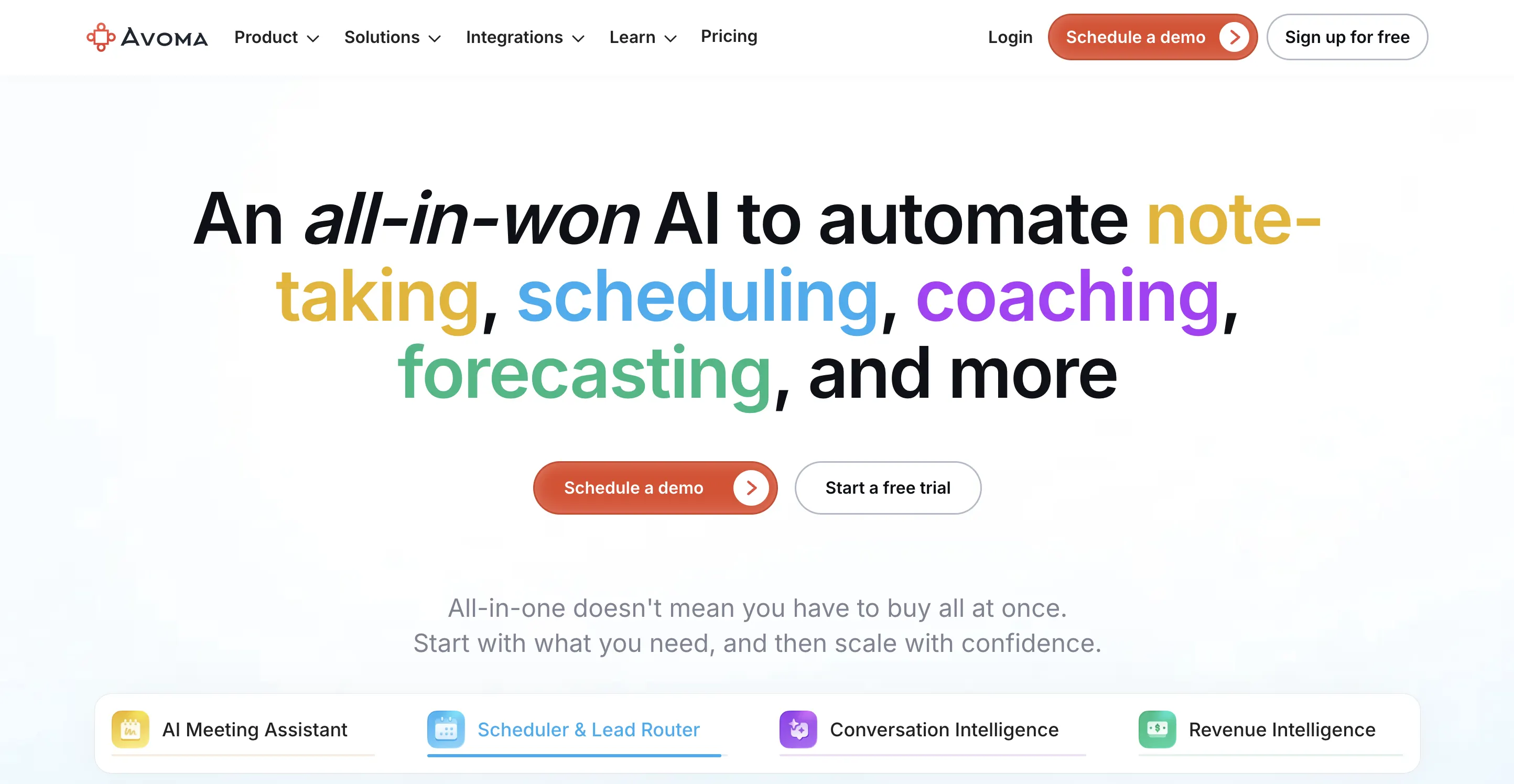
Avoma combines AI-powered conversation intelligence with CRM opportunity data in a single pipeline view. It pulls customer context across meetings, calls, and email directly to active deals. The AI-powered revenue intelligence software helps run data-driven pipeline reviews with automatic CRM update.
Best for
Revenue teams that need reliable deal inspection, automated CRM updates, and structured forecasting without manual follow-up.
Strengths
- AI-powered conversation analysis tied to specific opportunities, not just transcripts
- Unified pipeline view combining CRM fields, activity signals, and engagement data
- Risk signals and alerts based on buyer activity, stalled momentum, and weak next steps
- Sales methodology tracking such as MEDDIC or custom frameworks from real conversations
- Automated CRM sync for notes, next steps, and key fields
- Revenue Intelligence workflows for pipeline inspection and forecast reviews
Limitations
- Requires a CRM as the system of record
- Advanced inspection and forecasting workflows require the Revenue Intelligence add-on
Pricing
Core plans start at approximately $19–$39 per recorder per month billed annually.
Revenue Intelligence is available as an add-on and includes deal risk alerts, methodology tracking, pipeline inspection views, and forecast workflows. Pricing varies based on seats and configuration.
CRM-centered tools vs pipeline intelligence platforms
CRMs show the pipeline your team reports. They do not prove the pipeline is real.
Pipeline intelligence platforms connect opportunities to buyer activity across calls, meetings, and email. They surface whether deals are moving or stalling, and where risk is building.
Use a CRM to manage stages and reporting. Add intelligence when you need deal inspection and forecast confidence without chasing reps for updates.
How to choose the right sales pipeline management tools
Choose based on what breaks in your forecast process. If the main issue is inconsistent stages, missing fields, and late updates, fix the CRM workflow first. Standardize stage exit criteria and required fields.
If the issue is that updates look fine but deals still slip, add pipeline intelligence. Prioritize tools that tie activity signals to the opportunity, flag risk, and automate CRM updates from real interactions.
If leaders still export to spreadsheets to understand what is real, treat that as a signal that dashboards are not enough. You need an inspection layer, not more fields.
Final takeaway
If your pipeline reviews still rely on manual updates and spreadsheets, add an intelligence layer that connects buyer activity to each opportunity. Avoma links meetings, calls, and email signals directly to your CRM, flags deal risk, and supports forecast reviews with real interaction data.
Book a personalized walkthrough of Avoma to see how revenue intelligence improves pipeline visibility and forecast confidence.
Frequently Asked Questions
A CRM acts as the system of record for contacts, accounts, and opportunities. A sales pipeline management tool focuses on keeping opportunity data accurate as deals progress. Some CRMs include pipeline management features, while others require additional tools to support execution, inspection, or forecasting workflows.
Most sales pipeline management tools do not replace a CRM. They typically work alongside a CRM to support deal progression, data accuracy, or forecasting. CRMs store pipeline data, while pipeline management tools help ensure that data reflects current sales activity.
Small teams benefit when pipeline management tools reduce manual updates and provide clear visibility into active deals. Lightweight tools with fast setup and minimal configuration are usually a better fit than enterprise-grade platforms.
Key features include clear deal stages, activity tracking tied to opportunities, pipeline visibility for managers, and reporting that reflects current deal status. Advanced features such as forecasting, automation, or inspection matter more as teams grow and sales cycles become more complex.
These tools improve forecasting by keeping pipeline data current and consistent. When deal updates are timely and stage definitions are enforced, forecast reports become more reliable and easier to review. Some tools also support pipeline inspection and forecast review workflows.


Dive into Our Latest
Avoma Insights.


What's stopping you from turning every conversation into actionable insights?


